Art has been an essential mode of human expression for millennia. The way people create and interpret art has evolved across time, cultures, and technologies. This guide aims to educate readers about various art styles and movements that have shaped the world of visual art. Understanding these styles not only enhances appreciation but also aids in making informed choices when selecting or discussing artworks.
1. Abstract Art
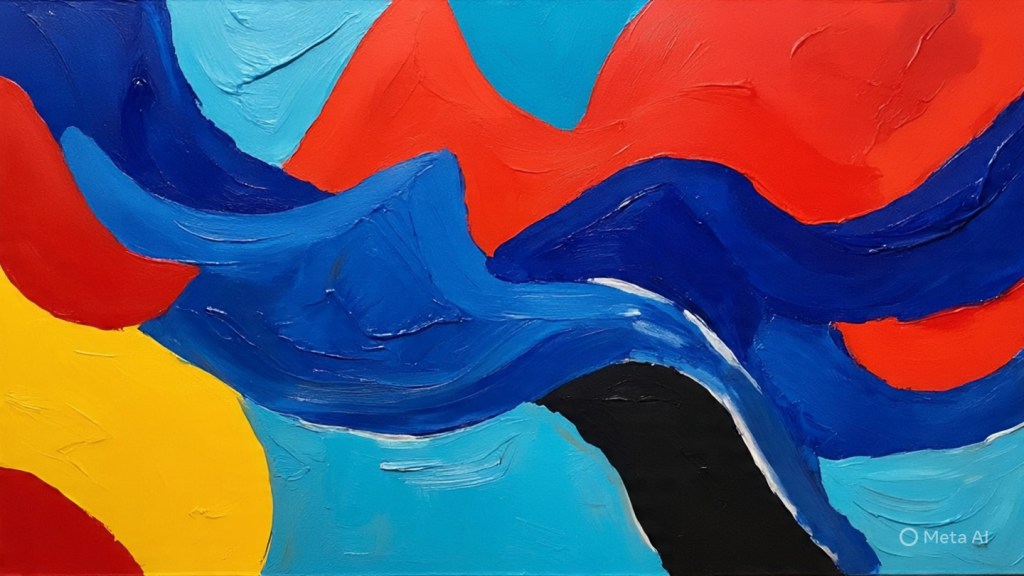
Abstract art moves away from representing real-world objects and instead uses shapes, colors, and forms to achieve its effect. It doesn’t aim to depict external reality but rather to express inner emotions, concepts, or philosophies.
Historical Background:
Abstract art emerged in the early 20th century, particularly with artists like Wassily Kandinsky, who is often regarded as one of the pioneers. The movement gained momentum post-World War I as artists sought new ways to represent a fragmented world.
Famous Artists:
- Wassily Kandinsky
- Piet Mondrian
- Jackson Pollock
Visual Elements:
- Non-representational shapes
- Bold or contrasting color palettes
- Emphasis on texture and gesture
2. Impressionism
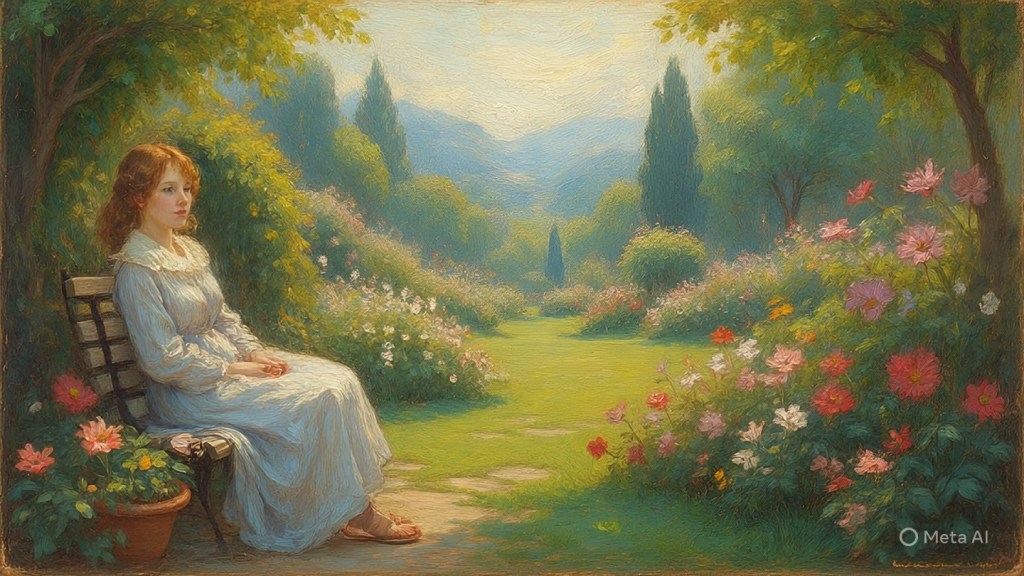
Impressionism captures the fleeting effects of light and color in a scene, often painted outdoors (en plein air). Brushstrokes are loose, and details are minimized to emphasize an overall impression.
Historical Background:
Originating in France in the late 19th century, Impressionism marked a break from academic painting. Claude Monet’s 1872 work “Impression, Sunrise” gave the movement its name.
Famous Artists:
- Claude Monet
- Edgar Degas
- Pierre-Auguste Renoir
Visual Elements:
- Loose, visible brushstrokes
- Light, often pastel color palette
- Everyday scenes and landscapes
3. Realism
Realism focuses on portraying subjects as they are, without embellishment or interpretation. The goal is accuracy and truth, capturing ordinary life and genuine emotions.

Historical Background:
Realism emerged in France in the mid-19th century as a reaction against Romanticism. Artists like Gustave Courbet sought to depict the working class and daily life in a truthful manner.
Famous Artists:
- Gustave Courbet
- Jean-François Millet
- Thomas Eakins
Visual Elements:
- Detailed and accurate depictions
- Earthy, muted tones
- Focus on everyday people and scenes
4. Minimalism
Minimalism is characterized by simplicity and the use of minimal elements. The focus is on form, space, and color, often reducing the subject to its essentials.

Historical Background:
Emerging in the 1960s in the United States, Minimalism was a response to the excesses of Abstract Expressionism. It aimed to remove emotion and narrative, emphasizing the purity of the medium.
Famous Artists:
- Donald Judd
- Frank Stella
- Agnes Martin
Visual Elements:
- Simple geometric forms
- Limited color palette
- Clean lines and flat surfaces
5. Expressionism
Expressionism is centered on conveying emotional experience rather than physical reality. Artists distort forms and use vivid colors to evoke moods and ideas.

Historical Background:
The movement began in Germany in the early 20th century, with groups like Die Brücke and Der Blaue Reiter leading the charge. It was partly a reaction to industrialization and societal unrest.
Famous Artists:
- Edvard Munch
- Egon Schiele
- Ernst Ludwig Kirchner
Visual Elements:
- Distorted shapes and figures
- Bold, often clashing colors
- Emotive, dramatic themes
6. Surrealism
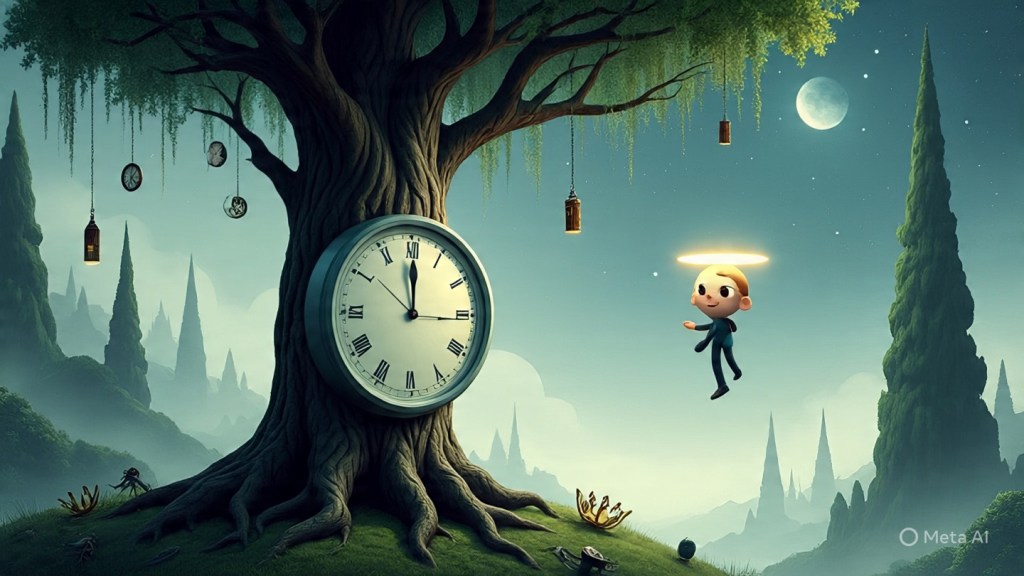
Surrealism seeks to unlock the unconscious mind and explore dreamlike or fantastical imagery. It blends reality with imagination in unusual and sometimes disturbing ways.
Historical Background:
Founded in the 1920s by André Breton, Surrealism was heavily influenced by Sigmund Freud’s theories of dreams and the unconscious.
Famous Artists:
- Salvador Dalí
- Rene Magritte
- Max Ernst
Visual Elements:
- Dreamlike scenes
- Juxtaposition of unrelated objects
- Meticulous detail mixed with fantastical subjects
7. Cubism
Cubism breaks down objects into geometric shapes and presents them from multiple perspectives simultaneously.

Historical Background:
Developed by Pablo Picasso and Georges Braque in the early 20th century, Cubism marked a major shift in artistic thinking and helped usher in modern art.
Famous Artists:
- Pablo Picasso
- Georges Braque
- Juan Gris
Visual Elements:
- Fragmented forms
- Monochromatic or muted colors
- Overlapping planes
8. Pop Art
Pop Art incorporates imagery from popular and mass culture such as advertisements, comic books, and consumer products.

Historical Background:
This movement arose in the 1950s and 60s, particularly in Britain and the U.S., as a reaction to the seriousness of abstract art.
Famous Artists:
- Andy Warhol
- Roy Lichtenstein
- Richard Hamilton
Visual Elements:
- Bright, bold colors
- Commercial and media icons
- Repetition and mass-production themes
9. Baroque
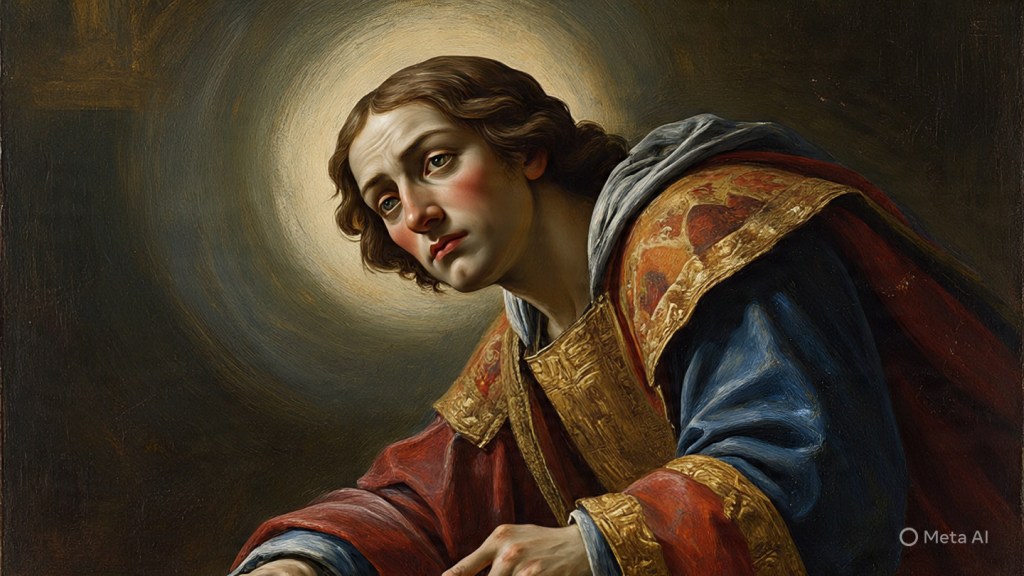
Baroque art is dramatic, detailed, and grand in scale. It often combines realism with theatricality.
Historical Background:
Originating in 17th-century Europe, particularly in Italy, the Baroque style was promoted by the Catholic Church to evoke emotion and grandeur.
Famous Artists:
- Caravaggio
- Peter Paul Rubens
- Rembrandt
Visual Elements:
- Chiaroscuro (light and dark contrast)
- Realistic but dynamic scenes
- Religious or mythological subjects
10. Contemporary Art
Contemporary art refers to art produced in the late 20th and 21st centuries. It is diverse and often reflects current issues, technologies, and cultural trends.

Historical Background:
There is no single style; it is characterized by experimentation and boundary-pushing. It includes movements such as digital art, street art, and conceptual art.
Famous Artists:
- Damien Hirst
- Yayoi Kusama
- Banksy
Visual Elements:
- Mixed media and digital technologies
- Social and political commentary
- Interactive or performance-based works
Conclusion
Understanding different art styles enriches your appreciation of artworks and empowers you as a collector, decorator, or admirer. Each style represents a unique perspective on life, emotion, culture, and creativity. From the vivid imagination of Surrealism to the raw simplicity of Minimalism, the world of art is as diverse and dynamic as human experience itself.
Whether you’re browsing for new pieces, visiting a gallery, or simply exploring your personal taste, knowing the language of art styles can transform the way you see the world around you.
 Art Blog